Tasmania’s convict history stretches far beyond Port Arthur.
For visitors interested in understanding this part of Tasmania’s past, it is possible to follow the story across the state. From the punishment and incarceration associated with Port Arthur, through the experiences of transported women across Van Diemen’s Land, into the streets of Launceston, across the agricultural estates of the Northern Midlands and eventually to the remote penal settlement of Sarah Island on the west coast.
Rather than experiencing these places in isolation, connecting them as part of a wider journey reveals just how deeply the convict system shaped Van Diemen’s Land and the Tasmania that followed.
If you are visiting Port Arthur Historic Site and wondering where to explore Tasmania’s convict history next, consider continuing the journey north.
1. Port Arthur Historic Site – Tasman Peninsula
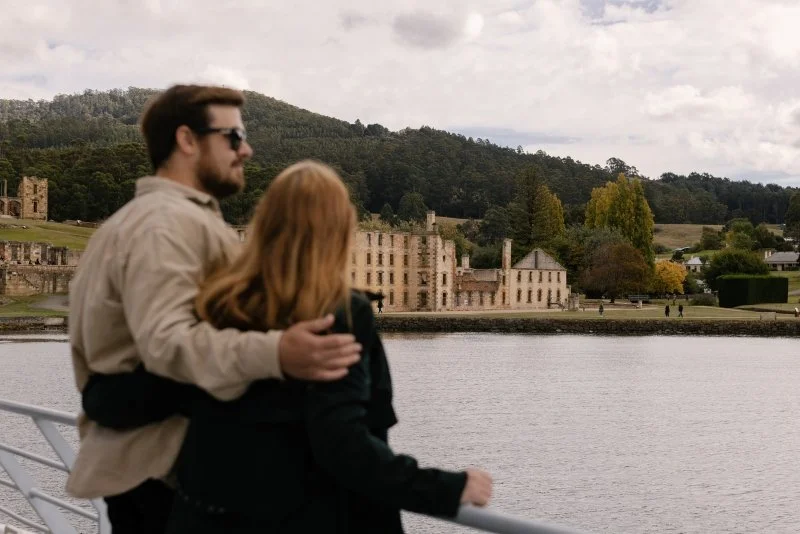
For many visitors, Port Arthur is where their exploration of Tasmania’s convict history begins.
Established as a timber station in 1830 before developing into a major penal settlement, Port Arthur became one of the most significant sites of secondary punishment in the Australian colonies. Today, its extensive surviving buildings and ruins allow visitors to physically explore the landscape in which thousands of transported convicts lived and worked.
Port Arthur is one of 11 places forming the UNESCO Australian Convict Sites World Heritage property.
But it represents only one part of Tasmania’s convict story.
2. Cascades Female Factory – South Hobart
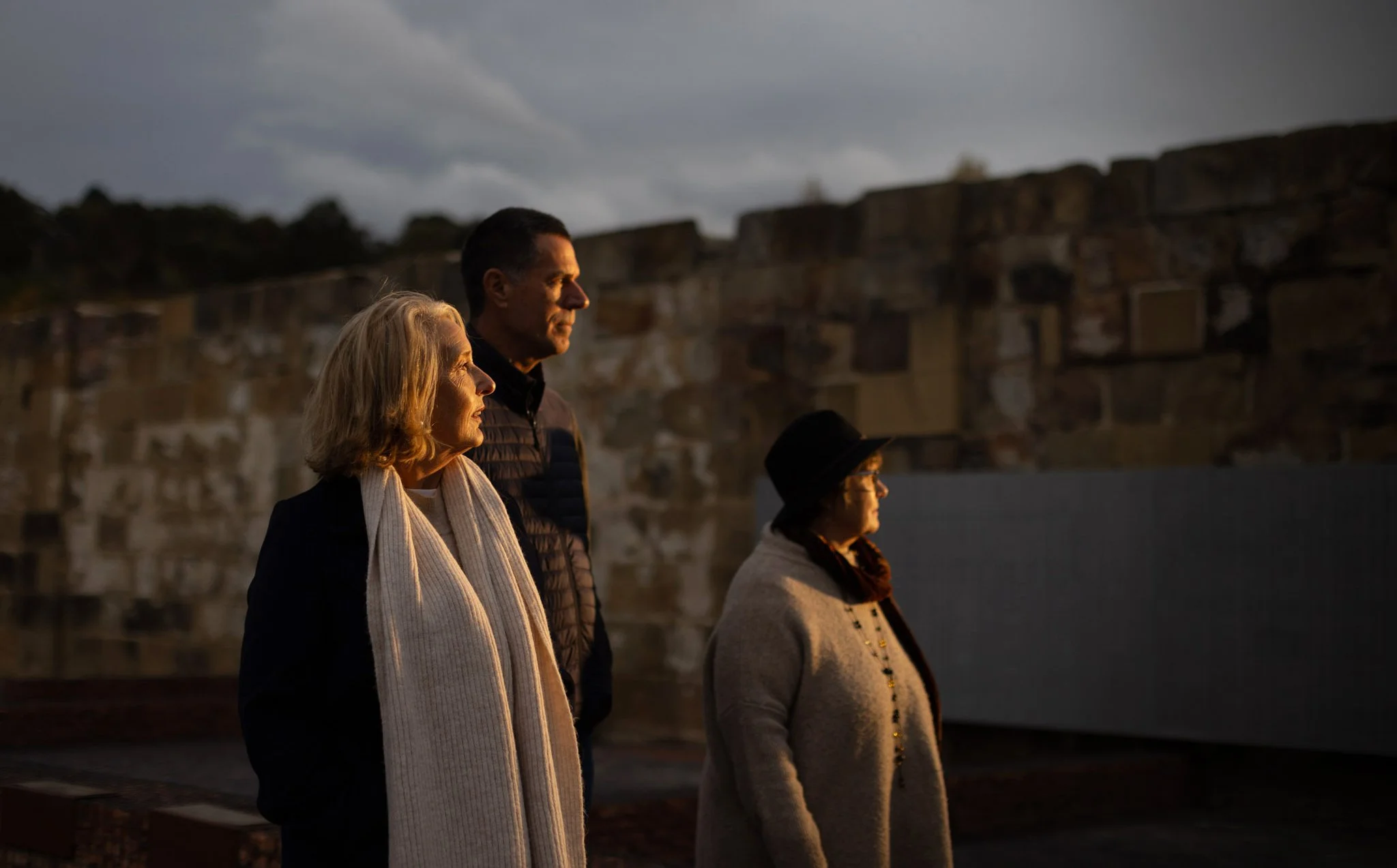
Back in Hobart, the Cascades Female Factory introduces another important perspective: the experiences of female convicts.
Thousands of women and children spent time within the Female Factory system. The Cascades site provides an opportunity to learn about their transportation, punishment, labour and lives in Van Diemen’s Land, and the contribution these women subsequently made to colonial society. It is also one of the 11 UNESCO Australian Convict Sites.
It is an important reminder that Tasmania’s convict history is not simply the story of male prisoners and penal settlements.
3. UNSHACKLED: Hobart Penitentiary – Hobart

The convict story continues within Hobart.
The Hobart Penitentiary offers another perspective on the convict system through a site embedded within the growing colonial town.
The UNSHACKLED experience explores the stories of the people connected with the Penitentiary and allows visitors to continue discovering convict history beyond the better-known landscape of Port Arthur.
It also begins an important transition in this journey: from visiting isolated historic sites to recognising convict history within the cities and communities that grew around it.
4. Ross Female Factory – Ross

As you travel north from Hobart towards Launceston, stop at Ross.
The Ross Female Factory operated between 1847 and 1854 and was one of four female factories established in Van Diemen’s Land. Although relatively little remains above ground today, the site is considered the most archaeologically intact female convict site in Australia.
Ross provides another opportunity to understand the experiences of transported women while also showing something important about interpreting convict history: sometimes the story survives even when much of the physical place does not.
That becomes particularly relevant at the next stop.
5. Dark Side of Launceston
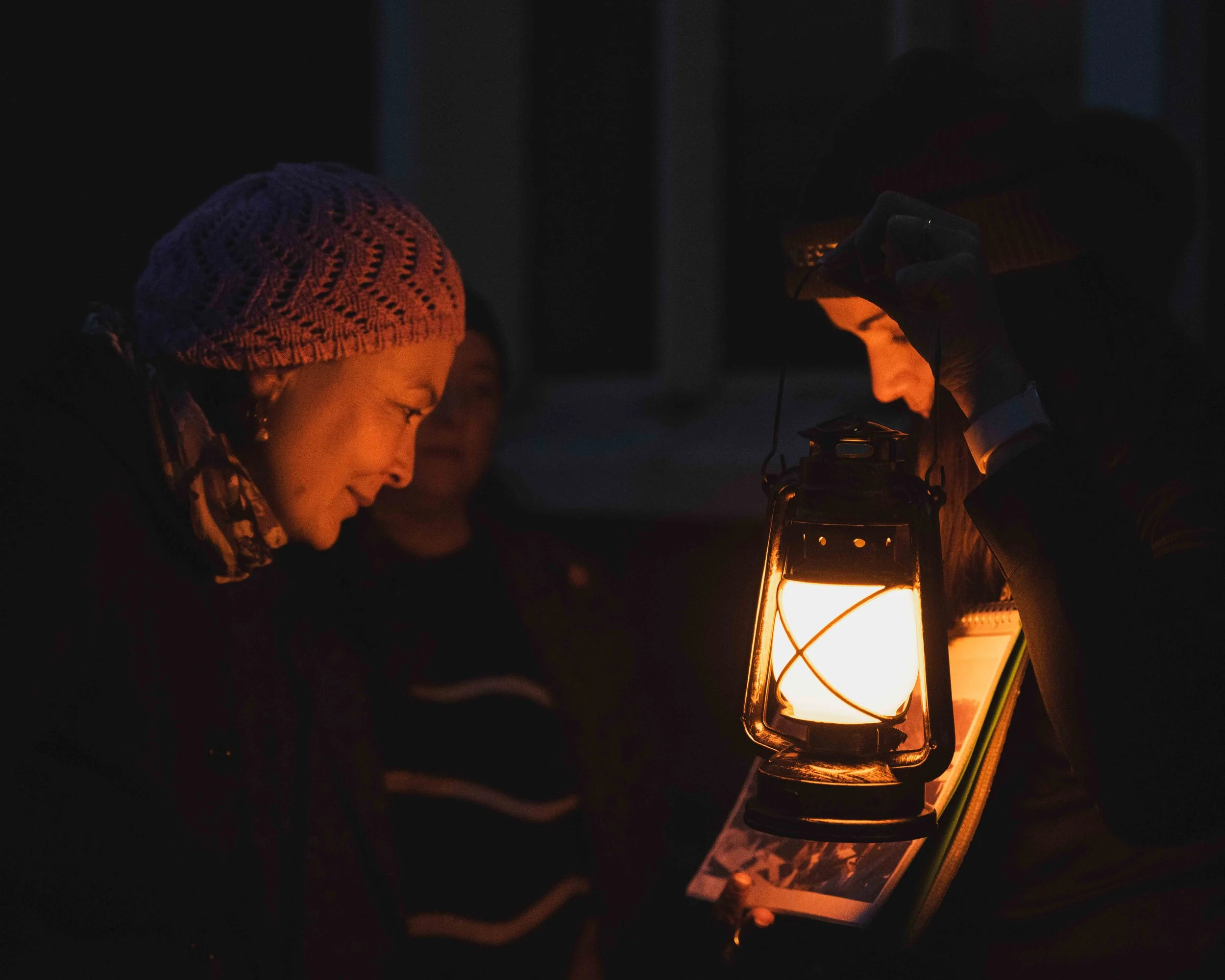
When you arrive in Launceston, the convict story hasn't ended.
It has simply become harder to see.
Launceston was established while Van Diemen’s Land was still a penal colony, and convicts were deeply entwined with the development of the settlement. Yet unlike Port Arthur, Launceston is not a preserved convict site. It is a living city that has continued to grow, rebuild and adapt for more than two centuries.
Many of the buildings associated with its convict history have disappeared. Gaols have been demolished. Sites have been redeveloped. Streets have changed.
The Launceston Female Factory opened in 1832. The complex was eventually demolished and the site is now occupied by Launceston College, although physical traces remain.
That does not mean the history has disappeared. You just need to know where to look.

Walk through Launceston’s darker history
On Launceston By Foot’s Dark Side of Launceston walking tour, we explore the city through stories of convicts, crime, punishment, gaols, public executions, bushrangers, colonial conflict and the people who lived through some of the darker chapters of northern Tasmania’s past.
Rather than experiencing this history behind museum walls, you walk through the places where the stories unfolded.
Some physical evidence remains. Some has been adapted. And some has disappeared entirely beneath the modern city.
That is part of why we believe these stories need to continue to be told.
For us, exploring Launceston’s darker history isn't about sensationalising it. It is about acknowledging what happened here, treating the experiences of the people involved with respect and understanding how these chapters contributed to the city Launceston became.
The buildings may be gone. The stories don't have to be.
6. Woolmers Estate & Brickendon – Longford
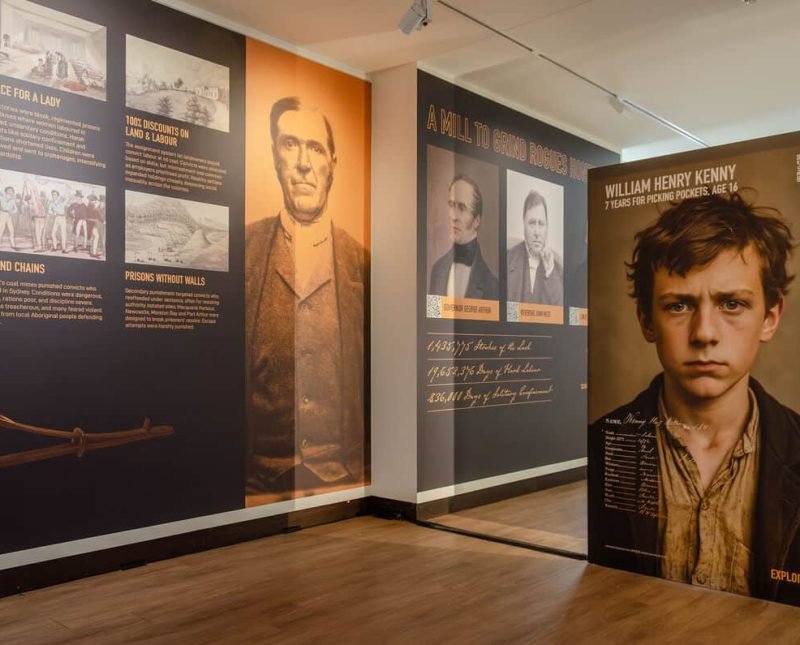
From Launceston, travel approximately 25 minutes south to Longford for another very different chapter of the convict story.
At Woolmers Estate and Brickendon, the focus shifts from prisons and punishment towards the assignment system and the enormous role convict labour played in developing Tasmania’s agricultural estates.
Both properties form part of the UNESCO Australian Convict Sites World Heritage property.
At Woolmers, UNSHACKLED explores the lives of the convict workers assigned to the estate and the legacy of that system.
Visitors can also connect Woolmers and Brickendon via the Convict Farm Walk, following the Macquarie River between the neighbouring properties.
Together, these places add another layer to the journey. Convict history in Tasmania wasn't confined to prisons. Convict labour helped build farms, roads, towns, industries and communities throughout the colony.
7. Sarah Island – Macquarie Harbour

For those continuing towards Tasmania’s west coast, the journey can extend all the way to Macquarie Harbour.
Sarah Island was established as a penal settlement in 1822 in the isolated waters of Macquarie Harbour.
Its remoteness provides a dramatic contrast to the urban history encountered in Hobart and Launceston and the agricultural landscapes around Longford.
Reaching Sarah Island today is itself part of the experience, with visitors travelling across Macquarie Harbour from Strahan.
By this point in the journey, you have experienced Tasmania’s convict history through penal settlements, female factories, prisons, cities, farms and remote wilderness.
Tasmania’s convict history is bigger than one place
Port Arthur deserves its reputation as one of Australia's most significant convict sites, but understanding Tasmania’s convict history means looking beyond a single penal settlement. The story stretches across the state and encompasses the experiences of women transported thousands of kilometres from home, convicts assigned to private farms, people incarcerated within growing colonial towns, and those whose labour helped construct the buildings, roads and communities of Van Diemen’s Land.
It is a story of punishment and hardship, but also of the lives people subsequently built and the cities and communities that eventually grew around them. Following Tasmania’s convict history from Port Arthur → Hobart → Ross → Launceston → Longford → Macquarie Harbour allows you to encounter these different parts of the story within the landscapes where they occurred.
How long should I allow for a Tasmania convict-history road trip?
This isn't a journey to squeeze into a day. It works particularly well as part of a broader Tasmanian road trip, allowing time to experience the towns and destinations around each historic site rather than simply travelling from one convict site to the next.
A possible route is Port Arthur → Hobart, visiting the Cascades Female Factory and Hobart Penitentiary → Ross, for the Ross Female Factory → Launceston, where you can join the Dark Side of Launceston → Longford, to explore Woolmers Estate and Brickendon → and finally Strahan, for the journey across Macquarie Harbour to Sarah Island.
If you're travelling in the opposite direction, the journey can just as easily be reversed, with each destination adding another layer to your understanding of Tasmania’s convict past.
Is Launceston worth visiting for convict history?
Yes! Particularly if you're interested in discovering the history that exists beneath a contemporary city. Launceston offers a very different experience from preserved convict sites such as Port Arthur. Many places associated with the city's convict and colonial history no longer survive in their original form. Buildings have disappeared, sites have been redeveloped and a modern city has grown around the places where these stories unfolded.
That doesn't mean the history has disappeared with them. Exploring Launceston's convict past is about understanding the streets, buildings and places that replaced what came before. A guided historical walking tour can help reveal those layers, connecting the contemporary streetscape with the real people and events that helped shape the city.
What convict sites can I visit between Hobart and Launceston?
Ross is a natural stop when travelling the Midland Highway between Hobart and Launceston, where you can visit the Ross Female Factory Historic Site and learn more about the experiences of female convicts in Van Diemen's Land.
Once you reach northern Tasmania, Launceston provides the urban chapter of the story, while Woolmers Estate and Brickendon near Longford explore convict assignment and agricultural labour. Together, these experiences allow the convict story to continue throughout the journey north, rather than treating Port Arthur as a standalone experience before moving on to something else.
What should I visit after Port Arthur if I'm interested in convict history?
If Port Arthur has sparked your interest in Tasmania's convict past, continue the story at the Cascades Female Factory and Hobart Penitentiary in Hobart before travelling north to the Ross Female Factory, Launceston, and the World Heritage-listed Woolmers Estate and Brickendon near Longford.
For those travelling more widely across Tasmania, the story can continue all the way to the west coast, with Sarah Island in Macquarie Harbour providing another very different chapter of the state's penal history.
Keep following the story north
If you're travelling from Port Arthur or Hobart towards Launceston, don't think of the drive north simply as getting from one destination to another. You're travelling through another chapter of the same story. Stop in Ross, explore the streets of Launceston and visit the estates around Longford. Look for what remains, but also take the time to learn about what has disappeared.
Tasmania worked hard for generations to move beyond the stigma once attached to its convict past. Today, we have an opportunity to look at that history differently: acknowledging the hardship and complexity of what happened here, respecting the people who experienced it, and ensuring their stories aren't forgotten simply because the buildings in which they lived, worked and suffered no longer stand.
For us, that's a particularly important part of telling Launceston's story. The physical evidence may have changed or disappeared, but the stories remain in our streets. Come and walk through that history with us in Launceston.